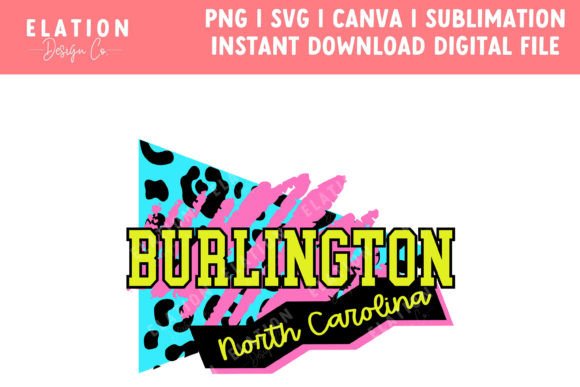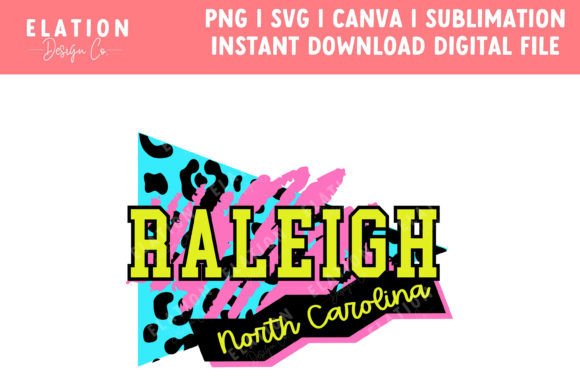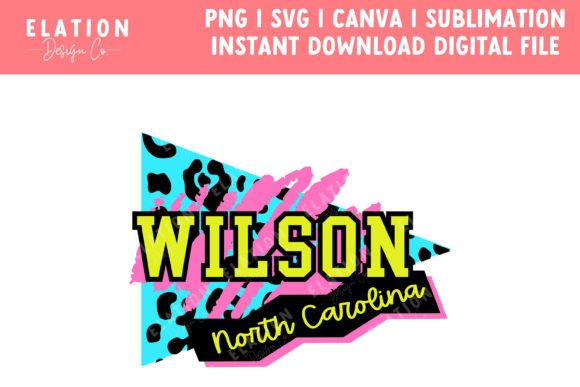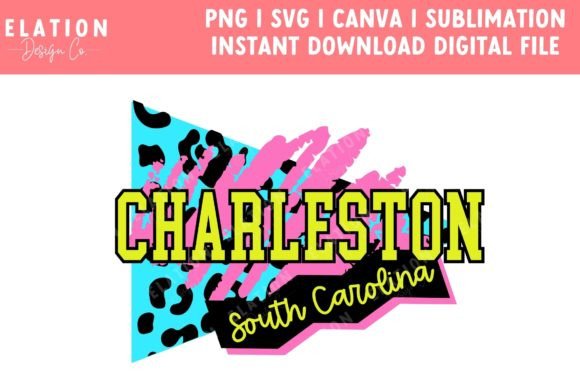
Columbia South Carolina Retro 90s Svg Review
When I first opened the Columbia South Carolina Retro 90s Svg file, I wasn't just looking at a vector; I was visualizing the finished stitch. As someone who spends hours tweaking density and adjusting pull compensation for clients, my first impression is always about viability. Does this design have the backbone to hold up on a garment? Does it capture the nostalgia without becoming a mess of thread? The answer here is a confident yes, provided you understand where it fits in your workflow.
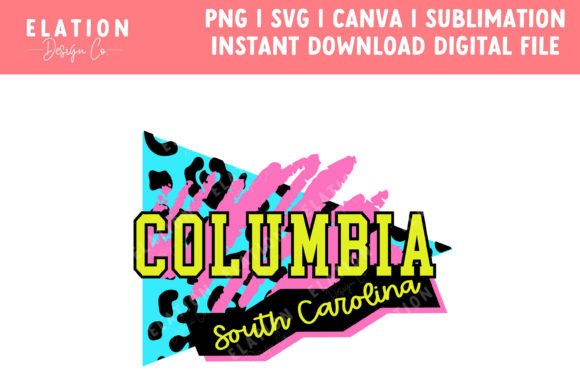
The aesthetic screams late-night diner vibes mixed with collegiate pride. It feels like something you would wear to a tailgate or a local festival in the Palmetto State. For a designer evaluating this as a machine embroidery design, the retro styling suggests a specific kind of stitching strategy. It isn't just a flat image; it implies depth through layering and texture. When I imagine this stitched out, I see it working beautifully as a chest logo on a heavy cotton sweatshirt or perhaps centered on the back of a vintage-style tee. The layout has that balanced weight that makes it versatile for both personal gifts and commercial boutique inventory.
From Digital File to Finished Product
Let's talk about a real-world scenario. Imagine you are an Etsy seller preparing for the holiday season. You want to create a line of custom embroidered tote bags featuring local pride designs. You stumble upon this Columbia South Carolina Retro 90s Svg. Your goal is to make something that stands out on a crowded marketplace but feels authentic to the region.
I ran a test simulation in my head: placing this design on a canvas tote bag. The bold lines of the retro font translate well to satin stitch, which gives that glossy, raised look that customers love. However, if you plan to use this for small items like baby onesies or cap patches, you need to be careful. The "Retro" aspect often means some intricate detailing. If the original file has tiny serifs or very fine lines, they might get lost in the fabric weave unless you digitize them specifically for a smaller hoop size. This is why reviewing the stitch density before you hit the start button is non-negotiable.
For a craft business owner, the value of this embroidery file lies in its adaptability. It can easily transition from a custom apparel piece to a home decor item. Picture a pillow cover made of linen. The contrast between the soft fabric and the dense fill stitches of the graphic creates a tactile experience that elevates the product value. It moves beyond a simple print-on-demand item into the realm of high-quality handmade goods. That distinction is what allows you to charge a premium price point for your handmade product.
Where to Use (and Where to Pause)
While the design is strong, no single graphic works everywhere. I need to be honest about the limitations when applying the Columbia South Carolina Retro 90s Svg to specific materials. If you are working with stretchy knits, like thin t-shirts or athletic wear, you must ensure your stabilizer choice is robust enough to prevent puckering. The retro style often uses block lettering, which requires significant underlay to keep the threads flat against the fabric.
Another area to watch is dark fabric. While this design looks great on white or light heather grey, the thread colors chosen will determine visibility. If the file includes small text details within the graphic, they might disappear against a black background. In these cases, consider adding a contrasting outline or using a lighter thread color for the text elements. Also, avoid using this on curved surfaces like baseball caps unless you have a dedicated cap frame and have tested the curvature. A flat design forced onto a curve can distort the letters, ruining the professional finish.
If you are creating an embroidered patch, pay close attention to the edge finish. The retro vibe usually pairs well with a merrowed edge, but if the design has too many internal cutouts, the structural integrity might suffer during washing. Always check the hoop size requirements. A design that fits perfectly in a 4x4 hoop might need resizing to fit a 5x7, which could alter the aspect ratio and make the text look squashed.
Design Judgment and Professionalism
In the world of craft business and Etsy sellers, consistency is key. Using a design like the Columbia South Carolina Retro 90s Svg helps establish a cohesive brand identity. When a customer sees a collection of items—aprons, kitchen towels, and hats—all featuring the same nostalgic theme, it builds trust. They know exactly what kind of quality and style to expect from your shop. It signals that you care about aesthetics, not just mass production.
The visual appeal of this design also impacts buyer engagement. A well-executed embroidery project catches the eye differently than a printed one. The texture invites touch. When you present a mockup of this design on a sweatshirt embroidery project, the shadow and highlight effects created by the thread add a dimension that static images lack. This is crucial for digital marketing. If you are selling digital embroidery files or finished goods, showing off the texture in your photos will significantly increase click-through rates.
However, do not underestimate the importance of testing. Before you commit to a large batch for a client, run a test on scrap fabric. Check the thread colors to ensure they match your vision. Look at the running stitch areas; are they clean, or are there gaps? Inspect the satin stitch columns to see if they are laying flat. Sometimes, a design that looks perfect on screen needs a slight adjustment in digitization to perform well on the machine. If the fill stitch is too dense, the fabric might pucker; if it is too sparse, the underlying material might show through.
For those of you using this as a digital product preview, remember that the final output depends on your execution. A printable mockup should accurately reflect how the design sits on the garment. Don't oversell the complexity if the actual stitching simplifies the details. Honesty about the process builds long-term relationships with your buyers.
Practical Tips for the Maker
- Stabilizer Selection: Always match the stabilizer to the fabric weight. For heavy cottons used in holiday embroidery, a tear-away or cut-away might be necessary depending on the desired hand feel.
- Thread Contrast: Test your thread choices against the fabric. High contrast ensures the Columbia South Carolina Retro 90s Svg pops, especially on textured fabrics.
- Licensing Check: Before selling finished items or distributing the graphics, confirm the license terms. Ensure you have the right to sell the physical products made from this design.
- Detailed Corners: Pay special attention to any sharp angles in the retro font. These are prone to thread breaks if not properly digitized with adequate corner rounds.
- Wash Tests: Run a finished sample through a wash cycle to check for shrinkage or thread fraying, ensuring the finished product lasts.
Ultimately, the Columbia South Carolina Retro 90s Svg is a solid asset for any maker looking to tap into the nostalgia market. It offers a blend of regional pride and timeless style that resonates with customers. Whether you are crafting a personalized gift for a family member or building a catalog of small shop products, this design provides a strong foundation. Just remember that the magic happens in the execution. Take the time to prep your machine, choose your materials wisely, and let the quality of your work speak for itself.
By treating every project with this level of scrutiny, you elevate your work from a hobby to a professional service. The difference between a good embroidery project and a great one often comes down to these practical details. So, load up your hoop, select your best threads, and bring this retro vision to life.