Hiking Mountain Design: A Real-World Embroidery Review
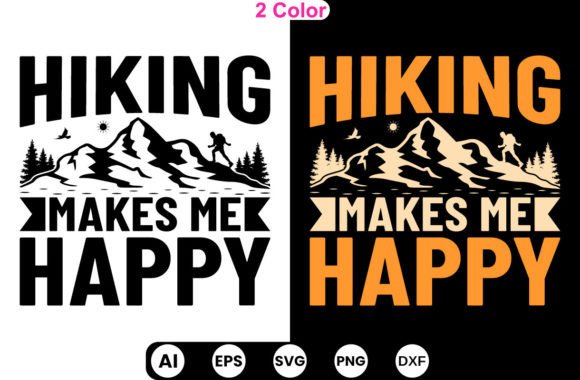
When I first opened the Hiking Mountain Design file, my immediate reaction wasn't about the technical specs or the file format. It was about the mood. There is a specific energy in mountain imagery that resonates deeply with anyone who loves the outdoors, and this design captures that spirit of adventure perfectly. As someone who has stitched hundreds of projects for clients ranging from local boutiques to Etsy sellers, I look for designs that feel authentic rather than generic. This vector graphic offers a clean, motivational aesthetic that translates surprisingly well into thread.
The description notes that these designs are made for both boys and girls and are suitable for screen printing and digital DTG printing. While those are valid use cases, my focus here is strictly on machine embroidery. Can a design originally marketed as a print vector hold up under the needle? Does it have the structural integrity required for a high-quality finished product? Let's dive into how Hiking Mountain Design performs when moved from a digital screen to a physical garment.
First Impressions and Visual Personality
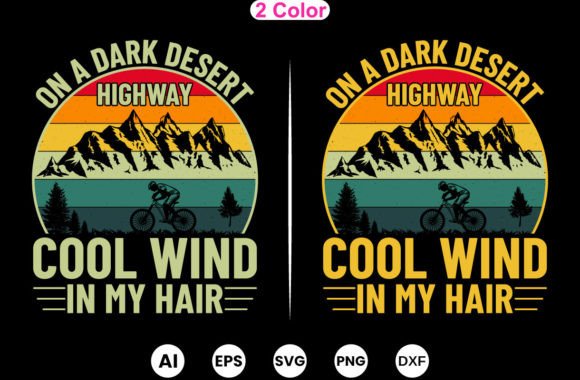
The layout of Hiking Mountain Design strikes a balance between boldness and simplicity. In the world of embroidery, less is often more, especially when dealing with small to medium hoop sizes. The silhouette of the mountain creates a strong central anchor, while the motivational text adds a personal touch that elevates the piece from a simple graphic to a statement. This duality makes it incredibly versatile.
Visually, the design feels rugged yet refined. It doesn't rely on overly intricate details that might get lost in the stitching process. Instead, it uses solid shapes and clear lines that promise good coverage. For an embroiderer, this is music to the ears. It suggests that the final result will be crisp, with minimal risk of thread breaks or puckering. The design naturally belongs on items that celebrate nature, travel, and active lifestyles. It feels right at home on a heavy-duty tote bag, a cozy sweatshirt, or a durable apron for a craft room.
Real-Life Application: The Custom Sweatshirt Project
To truly test the potential of this design, imagine you are preparing a custom order for a local hiking club. You need to create matching apparel for a group retreat. You choose a heather grey fleece sweatshirt because it offers a great texture for embroidery. You decide to place Hiking Mountain Design over the left chest area.
As you set up the machine, you notice that the design scales beautifully. On a large back print, it might look flat, but on a chest pocket or upper chest placement, the proportions are just right. When the stitching begins, the fill stitches in the mountain peaks provide a nice texture that mimics the roughness of rock faces. The satin stitch outlining the edges gives it a professional finish that catches the light. Your customers won't just see a logo; they will feel the quality of the work. This kind of tactile experience builds trust and encourages repeat business for your handmade shop.
This same logic applies to baby clothes. Imagine stitching a smaller version of Hiking Mountain Design onto a onesie or a soft cotton bib. The gentle curves and lack of tiny, fragile details make it safe for delicate fabrics. It transforms a standard gift into a cherished keepsake that parents will want to keep forever. The motivational aspect adds a layer of sentimentality that sells exceptionally well during holiday seasons.
Ideas for Diverse Products
- Tote Bag: Use the design on a canvas tote for a functional accessory that doubles as marketing for your brand.
- Embroidered Patch: Convert the design into a patch to add to denim jackets or backpacks, perfect for DIY enthusiasts.
- Kitchen Towel: Stitch it on a linen tea towel for a unique kitchen decor item that fits the "homey" vibe.
- Pillow Cover: Create a decorative accent pillow for a nursery or living room that brings the outdoors inside.
- Cap: Adapt the layout for a curved surface like a baseball cap, though care must be taken with the curvature.
Where Caution Is Required
While Hiking Mountain Design is robust, no single design is perfect for every scenario. As an experienced designer, I always advise testing before committing to a full production run. There are specific situations where this design might struggle.
First, consider the hoop size. If you attempt to stitch this on a very small hoop, such as one used for a wristband or a tiny baby bootie, the details might become compressed. The text could lose its legibility, and the mountain shape might look muddy. Always ensure the design fits comfortably within your hoop dimensions without cutting off critical elements.
Secondly, think about the fabric texture. While this design works well on stable materials like cotton twill or fleece, it can be tricky on highly textured fabrics like bouclé or loose-weave linens. The needle might struggle to penetrate uneven surfaces, leading to skipped stitches. Similarly, on thin or stretchy fabrics like jersey knit, you must use a high-quality stabilizer to prevent the fabric from distorting under the tension of the stitches. Without proper support, the mountain peaks could pull the fabric, ruining the drape of the garment.
Dense stitch areas are another consideration. If the original vector has tight spacing between lines, the resulting embroidery might become too thick for certain applications. On dark fabrics, if the thread color choice isn't vibrant enough, the design might get lost. Always check the thread colors against your fabric background. A light gray mountain on a black shirt might require a white underlay or a brighter thread to pop effectively.
Design Notes for the Professional Crafter
Before you start stitching your next embroidery project, there are several practical steps to ensure success. First, always test the design on scrap fabric that matches your intended material. This allows you to adjust the stitch density and tension settings without wasting your final product.
Review the stabilizer requirements carefully. For a design like this, which likely involves a mix of fill and satin stitches, a cut-away stabilizer is often the best choice for durability, especially if the item will undergo frequent washing. If you are creating a commercial product for an Etsy seller or a boutique, the longevity of the embroidery is crucial for customer satisfaction.
Inspect the small details closely. Are there any tiny corners or sharp points that might not translate well? If so, you may need to simplify the design slightly in your digitizing software to ensure clarity. Also, verify whether the digital embroidery file includes the necessary licenses for commercial use. Many designers sell files for personal use only, and using them for a craft business without permission can lead to legal issues.
Finally, don't forget to mock up the design in black and white. This helps you visualize the contrast and ensures that the design holds up even if the client prefers a monochromatic thread palette. By taking these precautions, you protect your reputation as a creator of high-quality handmade products.
Final Thoughts on Value and Appeal
In the end, Hiking Mountain Design is more than just a collection of vectors; it is a tool for storytelling. Whether you are making a personalized gift for a friend or building a line of small shop products, this design offers a reliable foundation. It conveys a sense of exploration and resilience that resonates with modern audiences.
For the creative entrepreneur, the ability to turn a digital asset into a tangible, high-value item is key. This design supports that transition by offering a clean structure that rewards careful execution. It is a smart addition to your library of design assets, ready to be transformed into something beautiful with the right technique and attention to detail.