Love You Lots: A Designer's Real-World Embroidery Review
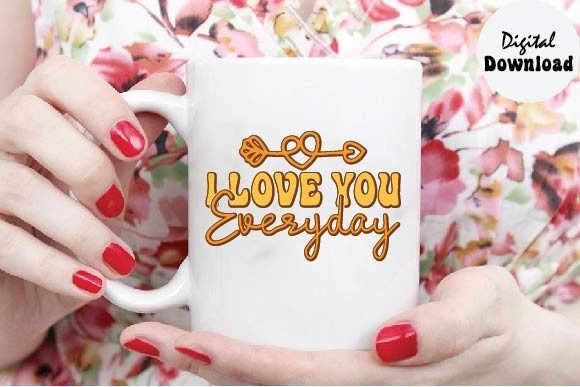
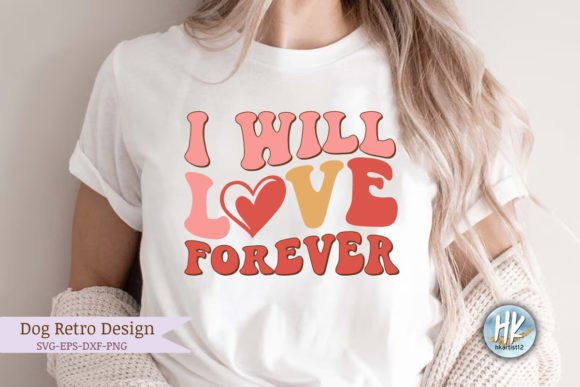
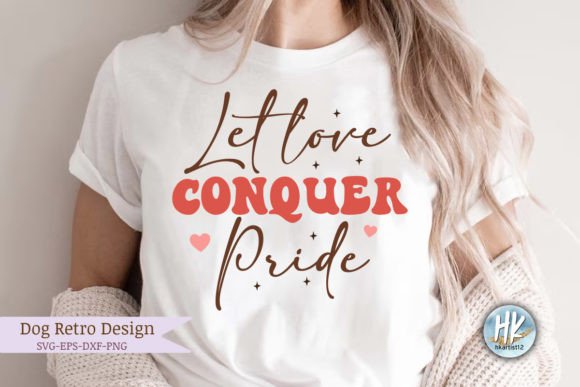
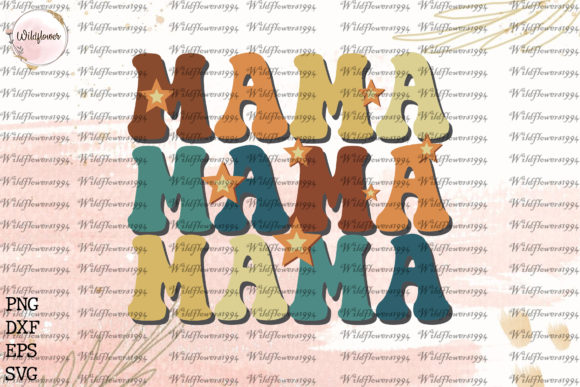
When I first opened the folder for Love You Lots, my initial reaction wasn't just about the retro aesthetic, but about its potential to translate from a digital screen into tangible thread. As someone who has spent years refining embroidery files for clients and managing my own small shop, I look past the pretty preview image to see the stitch path, the density, and the overall viability of the design in a production environment. This piece is a Valentine's Day Retro SVG cut file that promises versatility across multiple formats like SVG, EPS, DXF, JPG, and PNG, but does it hold up when the needle starts moving? In this review, I am putting Love You Lots through the kind of scrutiny you need before committing it to a custom sweatshirt or an Etsy listing.
The First Impression: Mood and Visual Personality
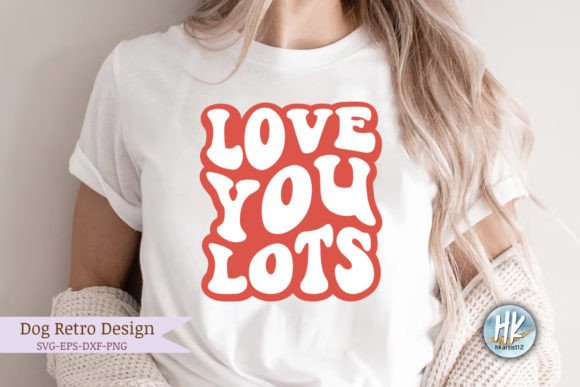
The name alone sets a warm, nostalgic tone. The design exudes a mid-century charm that feels both timeless and trendy. For a designer, the layout is crucial; it needs to sit well on a garment without looking cramped or floating aimlessly. Love You Lots strikes a balance between playful typography and structured spacing. It doesn't scream for attention so loudly that it overwhelms the fabric texture, yet it commands enough presence to be the focal point of a handmade product. The retro vibe suggests a specific demographic—customers who appreciate vintage aesthetics, craft fair enthusiasts, and boutique shoppers looking for something with character rather than mass-produced genericity.
Visually, the design personality fits perfectly within the Crafts and Graphics categories, but its true strength lies in its adaptability. Whether you are creating a nursery decoration or a holiday gift, the visual weight of the text suggests it was built to be seen clearly from a distance. It avoids the trap of being too delicate, which is a common issue with many digital designs that fail miserably when converted to stitches.
Real-Life Application: From Screen to Stitch
I recently tested the concept of using Love You Lots for a custom embroidered tote bag project intended for a local holiday market. The goal was to create a limited-run gift item that felt personal yet professional. When I mapped out the placement on the canvas material, the design's proportions were immediately reassuring. The curves of the letters would follow the natural drape of the bag without distorting the message.
In scenarios involving custom apparel, such as sweatshirts or t-shirts, this design shines. The retro style pairs exceptionally well with heather grey or cream-colored fabrics, allowing the thread colors to pop without clashing. For baby embroidery, specifically on onesies or bibs, the softness of the lettering makes it an ideal choice for a personalized gift. Parents often look for items that feel safe and gentle, and the rounded nature of this font delivers exactly that. Furthermore, for commercial embroidery projects like branded aprons or kitchen towels for a coffee shop, the clear legibility ensures the brand message remains intact even after repeated washing.
The inclusion of various file formats means this isn't just a machine embroidery design; it serves as a versatile asset for digital product sellers. If you sell printable mockups or digital planners, having the SVG and PNG versions allows you to showcase the design in high fidelity before the customer ever sees the physical thread work. This bridges the gap between the digital preview and the finished product, building trust with buyers who want to know exactly what they are getting.
Where to Exercise Caution
However, no design is perfect for every situation, and as an experienced reviewer, I must highlight where Love You Lots might face challenges. One area to watch closely is the small hoop size. While the design looks great on a standard 4x4 or 5x7 inch frame, shrinking it down to fit a tiny cap brim or a miniature patch could result in lost detail. If the individual strokes become too thin during digitization, the satin stitch may not lay flat, leading to puckering or a muddy appearance.
Fabric texture plays a massive role in how this design renders. On highly textured fabrics like heavy denim or boucle wool, the fine details of the retro font might get lost. Similarly, on stretchy fabric like jersey knit, the stability of the design relies heavily on the quality of the stabilizer used. Without proper support, the tension of the threads could cause the garment to warp over time. Dark fabrics require careful consideration of thread contrast; if the background is black, you will need a light underlay or a specific thread color palette to ensure the white or pastel elements of the retro theme remain visible.
Another critical factor is the stitch density. If the original digitization packs the fill stitches too tightly, the fabric beneath the design can become stiff and uncomfortable, especially on baby clothes or items worn close to the skin. Conversely, if the density is too low, the fabric show-through can ruin the clean lines of the retro aesthetic. Before running a full production run, always inspect the dense areas to ensure the stitching holds together without creating bulk.
Practical Designer Notes for Success
To get the most out of this embroidery file, I recommend starting with a test run on scrap fabric that matches your final project material. This step is non-negotiable for anyone serious about their craft business or Etsy seller reputation. During this test, check the thread color contrast against the fabric. Sometimes a color that looks vibrant on a monitor appears dull once stitched, particularly with metallic or variegated threads.
Review the hoop size requirements carefully. Ensure your machine can accommodate the design dimensions without needing to split the file, which can introduce alignment issues. If you are working with applique design techniques, verify that the layers separate correctly in the software before cutting any fabric. Also, confirm whether the design includes a running stitch outline or if it relies solely on satin and fill stitches, as this affects the edge finish and durability.
For those planning to sell finished items, double-check the licensing terms. Just because you purchased the file doesn't automatically grant unlimited commercial rights for resale. Many design assets come with restrictions on how many units you can produce. Always read the fine print regarding personalized gifts versus mass production. Additionally, testing the design in black and white mockups can help you visualize the contrast and hierarchy of the elements, ensuring the "Love You Lots" message reads clearly regardless of the color scheme.
Final Thoughts on Value and Trust
Ultimately, the value of Love You Lots lies in its ability to elevate a simple project into a polished, professional piece. In the world of handmade goods, presentation is everything. A well-executed embroidery job builds customer trust and encourages repeat business. When a buyer receives a handmade product with crisp, clean stitching that captures the intended retro mood, they are more likely to leave a positive review and recommend your shop to others.
This design is more than just a graphic; it is a tool for creative entrepreneurs to express their brand identity. Whether you are making holiday embroidery gifts, updating your small shop product line, or creating unique embroidered patches, Love You Lots offers a reliable foundation. By understanding its strengths and respecting its limitations regarding fabric type and hoop size, you can transform this digital file into a beloved physical object that stands the test of time and wear.