Wine Cheer to the New Year Sublimation Review
As a designer who spends countless hours evaluating digital assets for real-world production, I rarely get excited about generic holiday graphics. However, Wine Cheer to the New Year Sublimation caught my eye immediately. It is not just another "Happy New Year" SVG; it carries a specific mood that feels curated rather than mass-produced. When I first opened the file to test its potential for embroidery conversion, I knew this design had legs. It strikes a balance between retro nostalgia and modern elegance, making it a versatile asset for any craft business looking to elevate their holiday collection.
The First Impression: Mood and Visual Personality
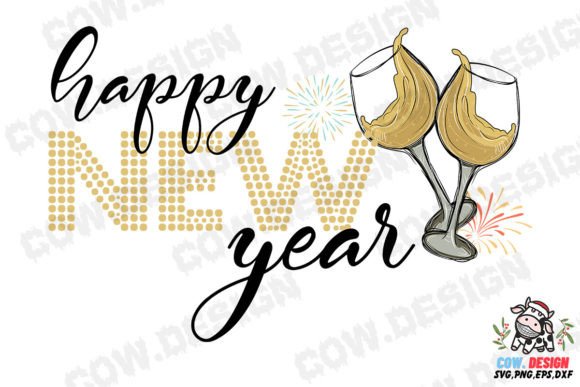
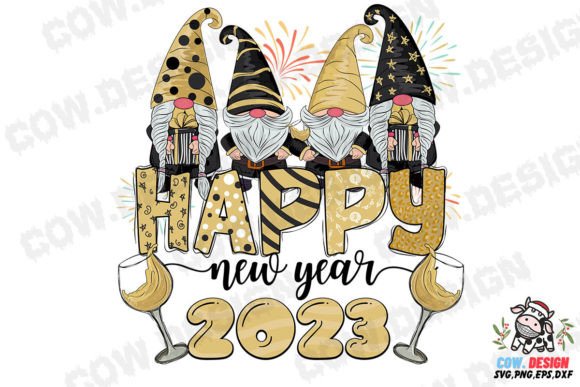
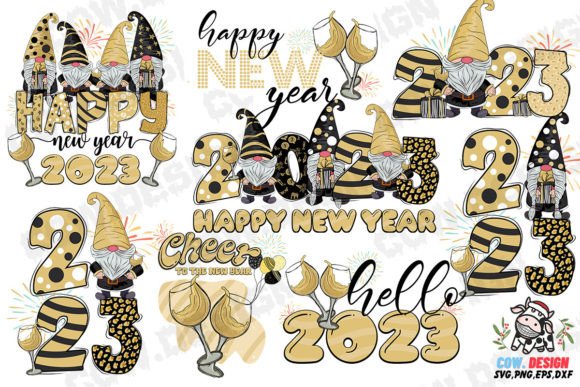
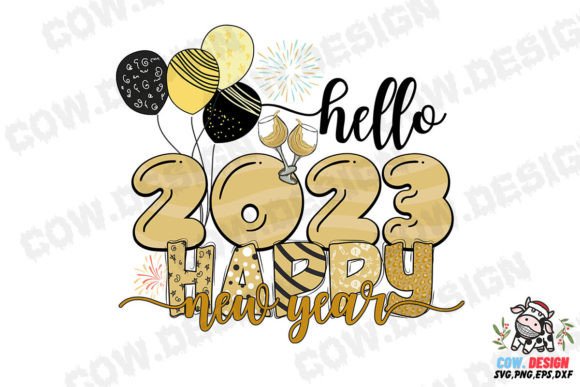
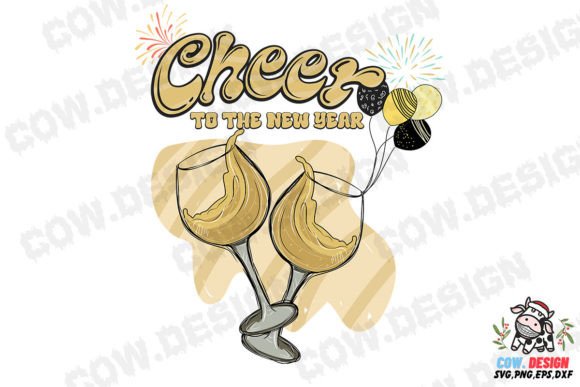
The immediate feeling you get from Wine Cheer to the New Year Sublimation is one of cozy sophistication. Unlike the bright, neon-heavy designs often found in the Crafts category, this piece leans into a warm, inviting aesthetic. The typography suggests a classic font style that mimics vintage signage, which translates exceptionally well when converted into thread. For an embroidery designer, the visual personality is everything because it dictates how the final stitched product will be perceived by the customer.
This design feels like it belongs in a boutique setting or a high-end handmade shop. It avoids the cluttered look of many sublimation files by focusing on clean lines and a strong central message. The layout is balanced, allowing for negative space that is crucial when transferring a graphic into a machine embroidery design. If you are planning to use this for commercial embroidery, the initial visual clarity suggests that the stitch density will likely hold up without becoming too heavy or distorting the fabric texture.
Real-World Application: A Tote Bag Scenario
To truly understand the value of Wine Cheer to the New Year Sublimation, I put it through a practical scenario. Imagine preparing a custom embroidered tote bag for a local holiday market. You want something that appeals to wine enthusiasts but remains accessible enough for a general audience. This design fits that niche perfectly.
I visualized placing the design on a natural canvas tote with a deep burgundy thread for the text and gold accents for the decorative elements. The retro vibe of the original sublimation file would translate beautifully into a satin stitch outline, giving the letters a raised, luxurious feel. Customers at a craft fair often gravitate toward items that look professional yet personal. An embroidered tote featuring this design would stand out on a table full of printed mugs and plastic ornaments. It elevates the perceived value of the finished product, turning a simple $5 canvas bag into a $25 artisanal gift item.
Furthermore, this design works seamlessly for sweatshirt embroidery. Picture a crewneck sweatshirt in charcoal gray with the phrase stitched in white and red. The contrast would be sharp, and the retro theme would evoke a sense of timeless celebration. For small business owners, this kind of versatility is gold. One digital asset can spawn multiple product lines, from aprons for a kitchen-themed gift set to pillow covers for nursery decor.
Where Caution is Required: Technical Limitations
While the artistic merit of Wine Cheer to the New Year Sublimation is clear, every experienced designer knows that what looks good on a screen does not always stitch perfectly. There are specific scenarios where this design requires careful handling. If you plan to use this on small hoop sizes, such as those used for baby clothes or delicate accessories, you must scrutinize the lettering size. Tiny details in a sublimation file can sometimes disappear or merge when converted to running stitches or fine fill stitches.
Textured fabrics present another challenge. If you attempt to embroider this on a heavily textured knit or a loose-weave linen without proper stabilizer, the tension might pull the design off-center. Stretchy fabrics, like the jersey material often used for t-shirts, require extra attention to prevent puckering. The design itself has a certain weight to it; if the stitch density is too high during digitization, it could make thin fabric feel stiff and uncomfortable.
Dark fabrics also demand a strategic approach. While the retro style usually implies light backgrounds, using this design on black or navy fabric requires a solid underlay strategy to ensure the colors pop. Without a proper underlay, the thread colors might bleed into each other, losing the crisp definition that makes the design so appealing in its digital form. Additionally, curved surfaces like caps can distort the text if the curvature is too extreme. Always test the design on a curved surface mockup before committing to a large production run.
Impact on Brand and Customer Trust
The quality of your embroidery directly influences customer trust. A sloppy stitch job on a popular design like Wine Cheer to the New Year Sublimation can ruin the brand reputation of a handmade shop. Conversely, a clean execution reinforces professionalism. When a buyer receives a personalized gift that features a well-executed design, they are more likely to return for future purchases. The retro aesthetic of this file lends itself to a cohesive brand identity, allowing you to create matching sets of products that look unified and intentional.
For Etsy sellers and digital product creators, the visual appeal of the finished product is the primary driver of sales. High-quality mockups showing this design on various materials can significantly boost engagement. However, it is vital to ensure that the final product matches the digital preview. If the stitching looks muddy or the alignment is off, the customer experience suffers. This design offers a great opportunity to showcase technical skill, provided the underlying digitization is sound.
Practical Notes for the Embroidery Designer
Before you load this design into your machine, there are several critical steps to take. First, always test the design on scrap fabric that matches the intended project material. This allows you to see how the thread interacts with the weave and whether the stabilizer holds the fabric flat. Check thread color contrast carefully; what looks vibrant on a monitor might appear dull in thread form depending on the sheen of the polyester or cotton yarn you choose.
Review the stitch density and confirm the hoop size requirements. If the design includes intricate corners or tiny lettering, inspect these areas closely. Sometimes, a running stitch detail in a sublimation file needs to be adjusted to a satin stitch for better durability in a finished product. Testing the design in black and white mockups can also help you visualize the contrast levels before investing in expensive threads.
If you intend to sell finished items created with Wine Cheer to the New Year Sublimation, you must confirm the licensing terms. Many digital downloads allow for personal use but restrict commercial production. Ensure you have the right to sell the physical goods made from this embroidery file. Also, verify the file formats available; having both vector and raster options gives you flexibility in how you prepare the design for different machines.
Final Thoughts on Design Assets
Wine Cheer to the New Year Sublimation is more than just a clipart image; it is a foundational element for a successful holiday collection. Its retro charm and clear composition make it ideal for a wide range of applications, from custom apparel to boutique branding. By approaching this design with a critical eye and following best practices for machine embroidery, you can transform a simple digital download into a high-value, sought-after handmade product. Whether you are a hobbyist making gifts for family or a serious entrepreneur building a brand, this design offers a reliable path to creating memorable, festive projects.