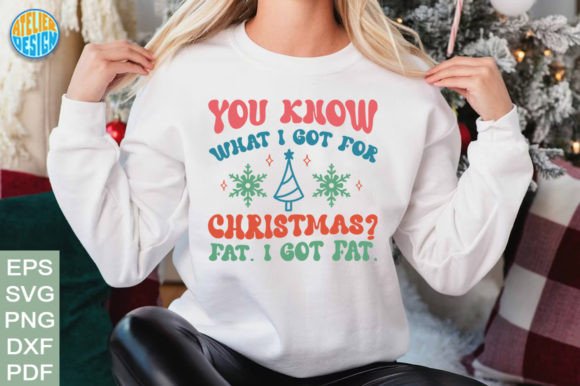
You Know What I Got for Christmas
When you are an experienced designer, the first thing you look at isn't just the file format; it is the soul of the design. You need to know if a project will hold up under the stress of real-world use or if it will look like a quick, cheap attempt at decoration. That was my mindset when I opened the files for You Know What I Got for Christmas. It is a humorous, retro-style graphic that leans heavily into self-deprecating holiday humor with the phrase "Fat I got fat." At first glance, it feels like a classic gift shop item, but does it translate well from a digital screen to actual thread?
This review breaks down exactly how this specific design performs in real embroidery scenarios. Whether you are an Etsy seller looking to stock holiday inventory, a boutique owner planning a seasonal collection, or a hobbyist making a personalized gift for a friend, understanding the practical application of this design is crucial before you ever press start on your machine.
The First Impression: Mood and Visual Personality
The immediate vibe of You Know What I Got for Christmas is playful and nostalgic. The retro aesthetic suggests a vintage holiday card feel, which is perfect for the current trend of cozy, authentic-looking handmade goods. The typography is bold and chunky, which is a promising sign for embroidery. Unlike delicate script fonts that can get lost in the stitching process, this design has enough weight to stand out on various fabrics.
However, the humor in the text—"Fat I got fat"—requires careful placement. In a commercial setting, you want to ensure the joke lands as intended without offending potential buyers. For personal projects or close-knit communities, it works wonderfully as a conversation starter. The layout is straightforward, focusing entirely on the message rather than complex illustrations, which simplifies the digitization process. This simplicity often leads to a cleaner finished product, reducing the risk of puckering or thread breaks.
Real-World Application: From Screen to Stitch
I put this design through a mental simulation of common craft business products to see where it fits best. The versatility of the included SVG, PNG, EPS, DXF, and PDF files makes it adaptable for both digital mockups and physical production.
Holiday Apparel and Sweatshirts
The most natural home for You Know What I Got for Christmas is a heavy cotton sweatshirt or a fleece pullover. The retro font pairs beautifully with the texture of these materials. When stitched onto a dark-colored garment, the contrast creates a striking visual that feels intentional rather than accidental. This is a prime candidate for custom apparel sold during the holiday rush. Customers love items that express their personality, and this design hits that sweet spot perfectly.
Tote Bags and Kitchen Towels
For the crafter who loves to make gifts, this design is ideal for tote bags and kitchen towels. The sturdy canvas of a tote bag provides a stable surface for the fill stitches, ensuring the letters remain crisp. On a tea towel, the design adds a touch of whimsy to the kitchen. Imagine a family gathering where everyone wears matching aprons or carries bags featuring this exact phrase. It builds a sense of community and shared humor that elevates the perceived value of the handmade product.
Baby Items and Nursery Decor
While the theme is adult-oriented humor, the retro style could be adapted for older children's clothing or nursery decor if paired with softer colors. However, for baby clothes, one must be cautious. The message might not be suitable for all parents, so this is a niche choice. If targeting a specific demographic that appreciates the irony, a onesie or a baby blanket could become a unique, memorable gift.
Where Caution is Required
Even a great design has its limitations. As a reviewer, I have to point out where You Know What I Got for Christmas might struggle. The design relies on clear lettering, which means it is not suitable for extremely small hoop sizes. If you try to stitch this on a tiny patch or a miniature cap, the details may blur, and the text could become illegible.
Fabric Texture and Stability
Stretchy fabrics like thin jersey or loose knits present a challenge. Without proper stabilizer, the tension required for the satin stitch and fill stitch areas could cause the fabric to pucker significantly. Similarly, textured fabrics like bouclé or heavy wool might hide the fine details of the retro styling. In these cases, the design might look muddy rather than sharp.
Dense Stitch Areas
If the digitization includes dense fill stitches to create a solid block of color, you must consider the weight of the thread. Too much density on a lightweight fabric can make the area stiff and uncomfortable to wear. Always test the stitch density on scrap material first. Additionally, for dark fabrics, you will need to ensure the thread colors provide enough contrast to make the white or light elements of the design pop.
Impact on Brand and Customer Trust
In the world of small business and Etsy selling, presentation is everything. A high-quality machine embroidery design like this one can significantly boost customer trust. When a buyer sees a clean, professional finish on a finished product, they assume the entire brand is reliable. Conversely, a poorly executed design can ruin the perception of quality, even if the rest of the item is excellent.
This design offers a unique opportunity for branding consistency. By using a cohesive retro theme across different products—caps, pillows, and shirts—you create a recognizable aesthetic. The humor in the text encourages engagement; customers are more likely to share photos of their purchases on social media, providing free marketing for your shop. However, remember that the design must be executed flawlessly to maintain that professional image.
Practical Designer Notes for Success
Before you commit to a large production run, follow these essential steps to ensure your embroidery project succeeds:
- Test on Scrap Fabric: Always run a test stitch on a piece of the same fabric you plan to use. Check for puckering, thread breaks, and color accuracy.
- Check Thread Contrast: Ensure the thread colors chosen make the text readable against the background fabric. Light text on dark fabric requires a different approach than dark text on light fabric.
- Verify Hoop Size: Confirm that your hoop size accommodates the full width of the design without cutting off any letters.
- Inspect Small Details: Zoom in on the digital file to ensure there are no tiny, isolated elements that might disappear during stitching.
- Use Proper Stabilizer: Select a stabilizer that matches the weight and stretch of your fabric to prevent distortion.
- Review Licensing: Since this is a digital product, double-check the license terms before selling finished items. Some designs allow commercial use, while others are for personal use only.
- Black and White Mockups: Create a black and white version of the design to see how the shapes hold up without relying on color.
The You Know What I Got for Christmas design is a fun, versatile asset for any crafter or business owner. It captures the spirit of the season with a modern twist. By paying attention to fabric selection, stabilization, and execution, you can turn this simple text graphic into a standout handmade product that customers will love.
Whether you are creating a custom apparel line, preparing holiday embroidery gifts, or expanding your craft business inventory, this design offers a solid foundation. Just remember that the difference between a good design and a great finished product lies in the preparation and care you take during the stitching process. Happy stitching!