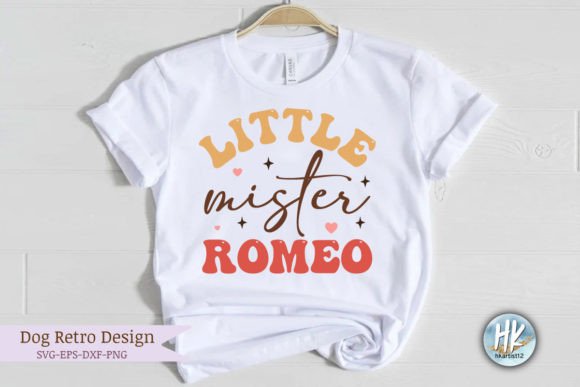
Little Mister Romeo: A Designer's Review for Real Embroidery Projects
When I first opened the folder for Little Mister Romeo, I didn't just see a cute graphic; I saw a potential bestseller. As someone who has spent years refining designs for small businesses and personal gifts, my first instinct is always to look past the pretty preview and ask: how will this actually hold up under the needle? This design falls squarely into the Crafts and Graphics categories, but its true value lies in how it translates from a digital file into a tactile, stitched reality. It captures that specific retro Valentine's Day mood with a playful charm that feels both nostalgic and fresh.
The initial visual personality of Little Mister Romeo is distinct. It doesn't scream for attention with chaotic details; instead, it offers a clean, approachable aesthetic that works beautifully on soft goods. The layout suggests a design meant to be worn or displayed, rather than just viewed on a screen. For an embroidery designer, the immediate question is whether the shapes are robust enough to handle the tension of machine stitching without losing their character. In this case, the answer leans heavily toward yes. The curves feel confident, and the implied lettering or decorative elements appear balanced, suggesting a design that respects the limitations of thread while maximizing visual appeal.
From Digital File to Finished Product: A Real-World Scenario
Let me walk you through a practical scenario where I would deploy Little Mister Romeo. Imagine you are preparing inventory for a boutique shop or creating custom gifts for a holiday market. You have a stack of high-quality canvas tote bags sitting on your table, waiting for a personal touch. You want something that says "Valentine's Day" without being overly cheesy or cluttered. This is where Little Mister Romeo shines.
I envision placing this design centered on the front of a natural-colored canvas bag. Because the design is described as a retro SVG cut file, it likely features bold lines that translate well into satin stitch. When stitched onto the fabric, the contrast between the thread color and the canvas would create a professional finish. The customer receiving this gift wouldn't just see a printed image; they would feel the texture of the embroidery, which adds significant perceived value to the item. It transforms a simple $5 tote bag into a $25 handmade product. That jump in value is exactly what Etsy sellers and craft business owners need to make their operations sustainable.
Furthermore, consider the versatility for apparel. Little Mister Romeo could easily adapt to a baby onesie or a child's sweatshirt. The retro vibe fits perfectly with modern nursery decor trends. If you are designing a line of holiday embroidery products, having a character like this allows you to create matching sets—a pillow cover for the mom, a patch for the dad's apron, and a small design for the baby's bib. The consistency in style across these items builds brand recognition, making your shop look cohesive and professional.
Technical Performance and Stitch Clarity
When evaluating any machine embroidery design, the devil is in the details. While the download includes formats like SVG, EPS, DXF, JPG, and PNG, which are excellent for cutting machines and printing mockups, the true test is how the vector paths convert into stitch data. For Little Mister Romeo to work effectively, the stitch density must be appropriate. If the fill areas are too dense, the fabric might pucker, especially on thin materials like t-shirts or tea towels. Conversely, if the density is too low, the design might look sparse and cheap.
The design should perform exceptionally well using a combination of satin stitch for outlines and borders, providing that crisp, polished edge that defines quality embroidery. For larger filled areas, a standard fill stitch pattern would ensure full coverage without excessive bulk. However, designers must be cautious about the smaller details. If Little Mister Romeo contains tiny text or intricate corner accents, these might get lost on smaller hoop sizes. I recommend testing the design in a 4x4 inch hoop first to ensure that the fine points remain sharp after trimming.
Thread color selection is another critical factor. Since the original description mentions a retro theme, choosing vintage-inspired thread colors—like muted reds, creams, or dusty pinks—would enhance the mood. High-contrast threads work best for visibility, but you must also consider the fabric texture. On a smooth cotton tee, the stitches lay flat and look crisp. On a textured fabric like a heavy wool blend or a raw linen, the same design might lose some definition, so testing on scrap fabric is non-negotiable.
Navigating Challenges: Where Caution is Key
While Little Mister Romeo is versatile, it is not a one-size-fits-all solution. There are specific scenarios where this design requires careful handling. For instance, applying this to dark fabrics demands a strong consideration of thread weight and possibly a stabilizer layer underneath to prevent show-through. If the design relies on white or light-colored threads, the underlying fabric color can muddy the final result unless a high-density underlay is used.
Curved surfaces, such as caps or hats, present another challenge. While the design looks great flat, the curvature of a cap can distort the perspective of the character. If the design includes specific directional elements, they might look off-center when wrapped around the curve. Similarly, stretchy fabrics like jersey knits require a tear-away or cut-away stabilizer to maintain the shape of the embroidery. Without proper stabilization, the tension of the stitches could cause the fabric to ripple, ruining the retro aesthetic.
Small hoop sizes are also a limiting factor. If you are working on very small items like wrist cuffs or miniature patches, the detail level of Little Mister Romeo might be too complex. In these cases, simplifying the design or reducing the scale is necessary to avoid thread breaks and loss of detail. Additionally, for products that require frequent washing, such as kitchen towels or daily wear clothing, the durability of the stitches is paramount. Dense stitch areas can sometimes trap lint or fray over time if not secured properly, so inspecting the finished product for loose ends is part of the quality control process.
Strategic Use for Commercial Success
For the creative entrepreneur, the decision to use Little Mister Romeo isn't just about aesthetics; it's about marketability. A well-executed embroidery project tells a story. When a customer sees a personalized gift with high-quality stitching, their trust in your brand increases. They assume that if the embroidery is good, the rest of the product is equally well-made. This perception drives repeat business and positive reviews.
In terms of digital assets, having the design in multiple formats allows you to create realistic printable mockups. You can place the design on various backgrounds to showcase how it looks on different products before you even cut the thread. This is invaluable for Etsy listings and social media marketing. You can demonstrate the design on a tote bag, a hoodie, and a baby blanket simultaneously, giving buyers a clear vision of the finished product.
However, before diving into production, there are essential steps every designer must take. Always test the design on scrap fabric first to check the stitch density and thread color contrast. Review the design in black and white to ensure the shapes remain distinct without relying on color alone. Confirm the hoop size requirements and ensure you have the correct stabilizer for the specific fabric you are using. Most importantly, verify the licensing terms. Are you allowed to sell finished items made with this design? Does the license cover commercial use for your small shop? These questions protect your business from legal issues down the road.
Ultimately, Little Mister Romeo represents more than just a Valentine's Day motif; it is a tool for building a brand. Whether you are a hobbyist looking to create unique gifts or a seasoned pro expanding your catalog, this design offers a solid foundation for creativity. By paying attention to the technical nuances of machine embroidery and understanding the context of the handmade product, you can transform a simple digital file into a cherished physical object. The key is to treat every stitch with intention, ensuring that the final result reflects the care and expertise that goes into every piece of your craft business.