I'm So Glad We Swiped Right Embroidery Review
As someone who has spent years reviewing machine embroidery design files for everything from boutique branding to personal gifts, I have learned that the best designs are not just about how they look on a screen. They are about how they hold up under the needle and how they make a customer feel when they receive a finished product. Recently, I evaluated a file titled I'm so Glad We Swiped Right, which is marketed as a Valentine's Day Retro SVG cut file. While the listing highlights its utility for cutting machines, my focus was strictly on its potential as an embroidery file for real-world projects.
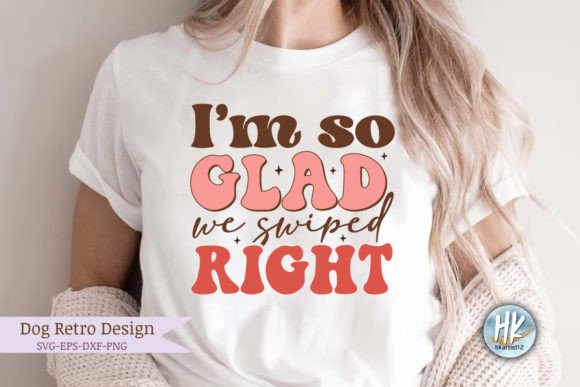
The first impression of I'm so Glad We Swiped Right is one of playful nostalgia. The phrase taps directly into modern dating culture while maintaining a retro aesthetic that fits perfectly with current trends in handmade goods. It creates a mood that is lighthearted, affectionate, and slightly humorous. For a designer looking to create custom apparel or personalized gifts, this design offers a specific visual personality: it feels like something you would find in a trendy coffee shop or a vintage record store. It is not overly serious, which makes it ideal for casual wear, but it requires careful execution to ensure it doesn't look cheap when stitched.
Real-World Application: The Custom Tote Bag Scenario
To truly understand the viability of this design, I put myself in the shoes of a small business owner preparing for a holiday rush. Imagine you are creating a line of tote bags for a local craft fair or an Etsy shop. You want to offer something unique for couples celebrating their first anniversary or Valentine's Day together. This is where I'm so Glad We Swiped Right could shine.
If I were to stitch this onto a sturdy canvas tote bag, the layout needs to be considered carefully. The text is the hero here. In a tote bag design, the message must be legible from a distance. The retro font style suggests a bold approach, likely utilizing a combination of satin stitch for the letters to give them a raised, tactile feel. However, the "swipe right" concept often implies a graphical element, perhaps an arrow or a heart shape. If the design includes intricate details meant for digital printing, those might get lost in the texture of heavy canvas unless the stitch density is adjusted correctly.
Consider the customer reaction. A buyer purchasing a handmade item wants to see quality. If I'm so Glad We Swiped Right is executed well, with clean edges and balanced spacing, it adds significant value to the product. It transforms a simple canvas bag into a conversation starter. It signals that the maker understands current culture and can translate digital trends into physical, wearable art. This level of detail builds trust and encourages repeat business for any Etsy seller or small shop product creator.
Technical Performance and Fabric Considerations
While the concept is strong, the technical execution determines whether the project succeeds or fails. When evaluating this design for embroidery project use, we must look at how it behaves on different materials. The description mentions it is a digital file for cutting machines, which means the original vector paths are designed for knives and plotters. Converting this to an embroidery file requires translation into stitches, and this is where caution is needed.
For custom apparel like sweatshirts or t-shirts, the design works beautifully because these fabrics provide a stable base. However, if you attempt to use this on thin fabric or stretchy material without proper stabilization, the text could pucker or distort. The retro theme often relies on specific curves and angles. On a curved surface like a cap or hat, the lettering might need to be warped significantly. If the original design does not account for this curvature, the result could look unnatural. It is crucial to check the hoop size limitations before committing to a final production run.
There are also areas where this design should be used carefully. Small hoop sizes are a common pitfall. If the design contains tiny lettering or fine decorative accents, shrinking it down to fit a 4x4 hoop will likely result in a muddy mess. The running stitch elements, if present, might disappear entirely if the thread count is too low. Furthermore, dark fabrics require a high-quality underlay to prevent the design from sinking into the weave. Without a proper stabilizer choice, the contrast between the thread colors and the fabric texture could be compromised, making the message hard to read.
Design Assets for Commercial Use
For those selling finished items, the visual appeal of I'm so Glad We Swiped Right directly impacts brand consistency. A professional-looking embroidered patch or a neatly stitched pillow cover elevates the perceived value of the item. Customers are willing to pay more for a product that looks polished. However, if the design is too dense, it may cause the fabric to stiffen, reducing the comfort of the garment. This is a critical factor for baby embroidery or items intended for frequent washing. You do not want a soft baby onesie to become rigid after a few washes due to excessive fill stitch coverage.
When planning your commercial embroidery workflow, consider the versatility of the design. Can it be adapted for a kitchen towel? Yes, provided the font remains legible against the linen texture. Can it work on a holiday gift box? Absolutely, if printed on paper, but for embroidery, it is better suited for textiles. The key is to test the design in black and white mockups first. This helps visualize the negative space and ensures that the text stands out regardless of the thread color chosen. Comparing light and dark fabric backgrounds is essential to confirm that the thread colors will pop without overwhelming the viewer.
Practical Designer Notes for Success
Before you upload this file to your machine, there are several steps every experienced designer takes to ensure success. First, always test the design on scrap fabric. This allows you to adjust the stitch density and tension settings without risking your final product. Check the small details closely; sometimes, what looks clear on a computer monitor becomes illegible when rendered in thread.
Review the file formats provided. The download includes SVG, EPS, DXF, JPG, and PNG. While these are excellent for cutting, converting them to a native digital embroidery file format (like .DST or .PES) is necessary for stitching. Ensure that the conversion process preserves the integrity of the lines and curves. Do not assume the file is ready-to-stitch just because it is a vector. You may need to manually adjust the path points to optimize the stitch order.
Confirm licensing terms before selling finished items. Even though the product is listed under Crafts and Graphics, commercial rights vary by creator. Make sure you have the permission to sell products made with this design. Also, inspect the design for any hidden layers that might interfere with the stitching process. If the design includes a large block of text, ensure it is spaced correctly to avoid thread breaks during long runs.
Ultimately, I'm so Glad We Swiped Right is a charming concept with high potential for handmade product creation. It resonates with a modern audience and fits well within the Valentine's Day season. However, its success depends entirely on the skill of the embroiderer. By paying attention to fabric selection, stabilizer usage, and stitch quality, you can turn a simple digital file into a stunning finished product that customers will love. Whether you are making a gift for a friend or building a craft business, taking the time to evaluate the design's practical limitations will save you hours of frustration and ensure a professional outcome.
Remember, the goal is not just to stitch words onto cloth, but to create an experience. With the right approach, this design can become a staple in your repertoire for romantic holidays, anniversaries, and everyday wear. Just keep testing, stay realistic about the limitations of the medium, and let the retro charm of the design guide your creative choices.